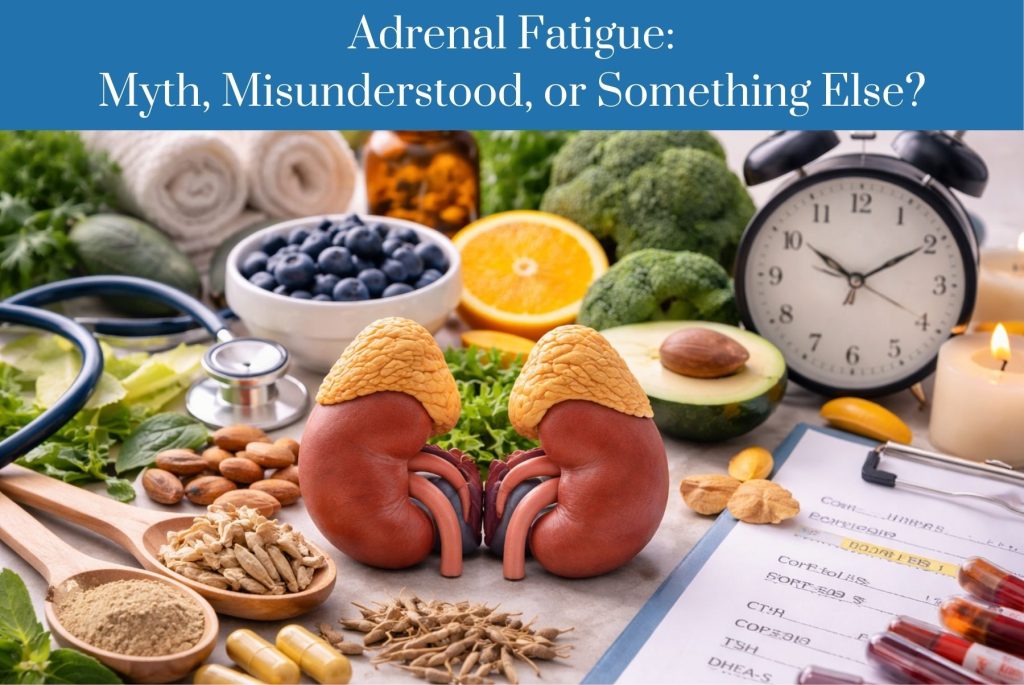
In recent years, the term “adrenal fatigue” has become increasingly popular. Many people use it to explain persistent symptoms like exhaustion, brain fog, sleep disturbances, weight changes, and difficulty handling stress. But what does adrenal fatigue really mean—and is it a legitimate medical diagnosis?
Dr. Matthew Goldenberg D.O. believes that patients deserve clear, evidence-based answers paired with compassionate care. Let’s explore whether adrenal fatigue is a myth, a misunderstanding, or something else entirely—and what to do if you’re struggling with ongoing fatigue and stress-related symptoms.
What Are the Adrenal Glands?
The adrenal glands are two small, triangular glands located on top of each kidney. Despite their size, they play a major role in regulating essential bodily functions. They produce hormones such as:
- Cortisol, which helps regulate stress, metabolism, and inflammation
- Aldosterone, which controls blood pressure and electrolyte balance
- Adrenaline and noradrenaline, which help the body respond to stress
When functioning properly, the adrenal glands help the body adapt to physical and emotional stress. When something goes wrong, symptoms can be wide-ranging and disruptive.
What Is “Adrenal Fatigue”?
The term adrenal fatigue is commonly used to describe a collection of symptoms believed to result from chronic stress overwhelming the adrenal glands, causing them to function suboptimally. These symptoms often include:
- Persistent fatigue that does not improve with rest
- Trouble waking up or feeling “wired but tired”
- Brain fog and difficulty concentrating
- Sleep disturbances
- Cravings for salty or sugary foods
- Reduced stress tolerance
However, it is important to understand that adrenal fatigue is not currently recognized as a formal medical diagnosis by major endocrinology organizations.
So Is Adrenal Fatigue a Myth?
Not exactly—but it is misunderstood.
From a conventional medical standpoint, the adrenal glands do not simply “wear out” from stress. True adrenal gland failure is a rare and serious condition known as Addison’s disease, which requires urgent medical treatment.
That said, the symptoms people attribute to adrenal fatigue are very real. Many patients experience chronic fatigue and stress-related dysfunction, even when standard lab tests appear normal.
Rather than dismissing these symptoms, it’s more accurate to view them as signs of stress dysregulation, hormonal imbalance, sleep disruption, inflammation, or metabolic strain.
What Could Be Causing These Symptoms?
Persistent fatigue and stress intolerance can stem from many overlapping factors, including:
- Chronic psychological or emotional stress
- Poor sleep quality or sleep apnea
- Blood sugar instability or insulin resistance
- Thyroid dysfunction
- Nutrient deficiencies (such as iron, B12, or magnesium)
- Inflammatory or autoimmune conditions
- Hormonal imbalances
An osteopathic and integrative approach focuses on identifying root causes, not just labeling symptoms.
A Holistic, Evidence-Based Approach
Dr. Matthew Goldenberg D.O. takes a comprehensive view of health. Rather than focusing on a single term like “adrenal fatigue,” he evaluates how stress, lifestyle, the environment, hormones, nutrition, and sleep interact within the body.
Care may include:
- A thorough psychiatric evaluation
- Appropriate lab testing when indicated
- Lifestyle and stress-management strategies
- Sleep optimization
- Nutritional guidance and targeted supplementation
- Referrals to address underlying medical or hormonal conditions
The goal is to help restore balance, resilience, and long-term well-being.
Frequently Asked Questions About Adrenal Fatigue
Is adrenal fatigue a real medical condition?
Adrenal fatigue is not recognized as an official diagnosis, but the symptoms people experience are very real. These symptoms often reflect stress-related dysregulation or underlying health issues that deserve medical attention.
How is adrenal fatigue different from Addison’s disease?
Addison’s disease is a rare, serious condition where the adrenal glands cannot produce enough hormones and requires urgent medical treatment. Adrenal fatigue refers to a set of symptoms without measurable adrenal failure.
Can chronic stress affect my hormones?
Yes. Chronic stress can disrupt cortisol patterns, sleep cycles, blood sugar regulation, and other hormonal systems, leading to fatigue and difficulty coping with daily demands.
Why do my lab tests come back normal if I feel exhausted?
Standard labs may not capture subtle imbalances or lifestyle-related stress effects. A comprehensive evaluation looks beyond basic numbers to understand the whole person.
What can I do if I feel constantly tired?
Addressing sleep, nutrition, stress management, and overall health is key. Working with a physician who takes a holistic and individualized approach can help identify contributing factors.
Can lifestyle changes really help?
Absolutely. Improving sleep quality, managing stress, optimizing nutrition, and correcting deficiencies can have a significant impact on energy levels and resilience.
When should I see a doctor?
If fatigue, brain fog, or stress intolerance is persistent, worsening, or affecting your quality of life, it’s important to seek medical evaluation to rule out underlying conditions.
Take the Next Step Toward Better Energy and Health
If you are experiencing persistent fatigue or stress-related symptoms, you do not have to navigate it alone. A thoughtful, patient-centered approach can help uncover what your body is trying to tell you.
Dr. Goldenberg is licensed to work with patients in the states of California, Alaska, Hawaii and Utah by secure telehealth. He is NOT in-network with any insurance plans. However, Dr. Goldenberg is considered to be out of network if you have PPO insurance.
If you are interested in discussing becoming a new patient and if his practice is a good fit for your needs and goals, book a free screening phone call here.
Contact Information
Matthew Goldenberg D.O.
Santa Monica, CA 90403
📞 Phone: (424) 276-0777
👉 Book An Appointment:
🌐 Website: https://docgoldenberg.com