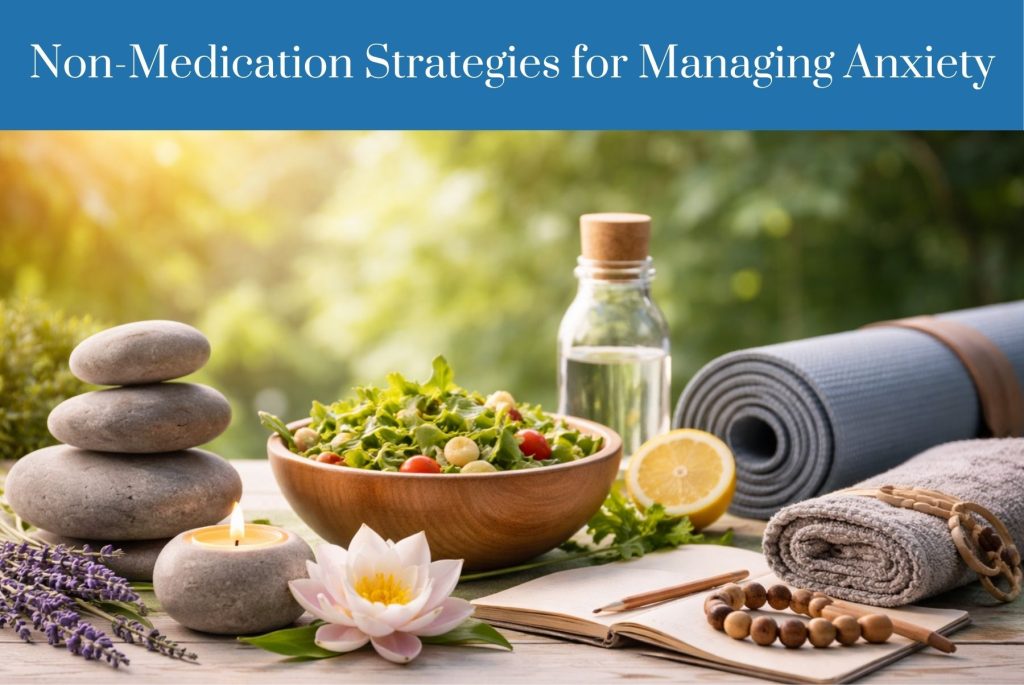
Anxiety is one of the most common mental health concerns affecting adults today. While medication can be helpful for some individuals, many people are seeking effective, non-medication strategies to manage anxiety and improve overall well-being. Dr. Matthew Goldenberg D.O. takes a holistic, patient-centered approach to anxiety care, helping individuals address both the physical and emotional components of anxiety.
This article explores evidence-based, non-medication strategies that can play a powerful role in reducing anxiety symptoms and supporting long-term mental health.
Understanding Anxiety
Anxiety is more than occasional stress or worry. It can manifest as persistent nervousness, racing thoughts, muscle tension, difficulty sleeping, digestive issues, or a sense of being overwhelmed. Left unaddressed, anxiety can interfere with daily activities, relationships, and overall quality of life.
The good news is that many non-pharmacological approaches can help regulate the nervous system, improve resilience, and restore a sense of calm.
Non-Medication Strategies for Managing Anxiety
1. Mindfulness and Meditation
Mindfulness practices focus on staying present in the moment without judgment. Regular mindfulness or meditation has been shown to:
- Reduce stress hormone levels
- Improve emotional regulation
- Decrease anxious thought patterns
Even just 5–10 minutes per day can make a meaningful difference over time.
2. Breathing Techniques
Controlled breathing helps activate the body’s relaxation response. Techniques such as diaphragmatic breathing or box breathing can:
- Slow heart rate
- Reduce muscle tension
- Improve focus and emotional control
Practicing intentional breathing during moments of stress can prevent anxiety from escalating.
3. Regular Physical Activity
Exercise is one of the most effective natural anxiety reducers. Physical activity helps by:
- Releasing endorphins
- Reducing cortisol levels
- Improving sleep quality
Activities such as walking, yoga, swimming, or strength training can all be beneficial when done consistently.
4. Cognitive Behavioral Strategies
Cognitive techniques help individuals recognize and reframe anxious thought patterns. Learning how thoughts influence emotions and behaviors empowers patients to:
- Challenge catastrophic thinking
- Reduce avoidance behaviors
- Build confidence in managing stress
These skills can be learned through guided therapy or structured self-work.
5. Sleep Optimization
Poor sleep and anxiety often reinforce each other. Improving sleep hygiene can significantly reduce anxiety symptoms. Helpful strategies include:
- Maintaining a consistent sleep schedule
- Reducing screen time before bed
- Creating a calm, dark sleep environment
Addressing sleep concerns is a foundational step in anxiety management.
6. Nutrition and Gut Health
Diet plays an important role in mental health. Blood sugar fluctuations, caffeine, and highly processed foods can worsen anxiety. A balanced diet that includes:
- Lean proteins
- Healthy fats
- Whole grains
- Fruits and vegetables
can help stabilize mood and support nervous system function.
7. Stress Management and Lifestyle Balance
Chronic stress contributes heavily to anxiety. Learning to set boundaries, manage workload, and prioritize self-care can significantly reduce symptoms. Activities such as journaling, time in nature, and creative outlets also promote emotional balance.
Comprehensive Q&A: Anxiety Without Medication
Can anxiety really be managed without medication?
Yes. Many individuals successfully manage stress and anxiety using lifestyle changes, behavioral strategies, and holistic care. The effectiveness depends on the severity of symptoms and consistency with treatment strategies.
How long does it take to see improvement with non-medication approaches?
Some people notice improvements within weeks, while others experience gradual progress over several months. Consistency and individualized care are key.
Is therapy necessary if I am not taking medication?
Therapy is often a cornerstone of non-medication anxiety treatment. Cognitive and behavioral therapies are especially effective in teaching long-term coping skills.
What role does a psychiatrist play in non-medication anxiety care?
A well-trained and experienced psychiatrist evaluates underlying medical, external stressors and lifestyle contributors, guides lifestyle changes, monitors progress, and coordinates care to ensure an individualized and comprehensive treatment plan.
Can anxiety symptoms come from physical health issues?
Yes. Hormonal imbalances, sleep disorders, nutritional deficiencies, and chronic inflammation can all contribute to anxiety. A comprehensive psychiatric evaluation can help identify and address these factors.
What if my anxiety worsens without medication?
Non-medication strategies can be combined with medical treatment if needed. Anxiety care is not one-size-fits-all, and treatment plans should evolve based on patient response.
A Personalized, Holistic Approach to Anxiety Care
Dr. Matthew Goldenberg D.O. believes in treating the whole person—not just symptoms. By addressing physical health, mental well-being, and lifestyle factors, he helps patients build sustainable strategies for managing anxiety and improving quality of life.
If anxiety is affecting your daily routine, relationships, or sense of well-being, professional guidance can make a meaningful difference.
Dr. Goldenberg is licensed to work with patients in the states of California, Alaska, Hawaii and Utah by secure telehealth. He is NOT in-network with any insurance plans. However, Dr. Goldenberg is considered to be out of network if you have PPO insurance.
If you are interested in discussing becoming a new patient and if his practice is a good fit for your needs and goals, book a free screening phone call here.
Contact Information
Matthew Goldenberg D.O.
Santa Monica, CA 90403
Phone: (424) 276-0777
Website:https://docgoldenberg.com
Book An Appointment: Available online or by phone