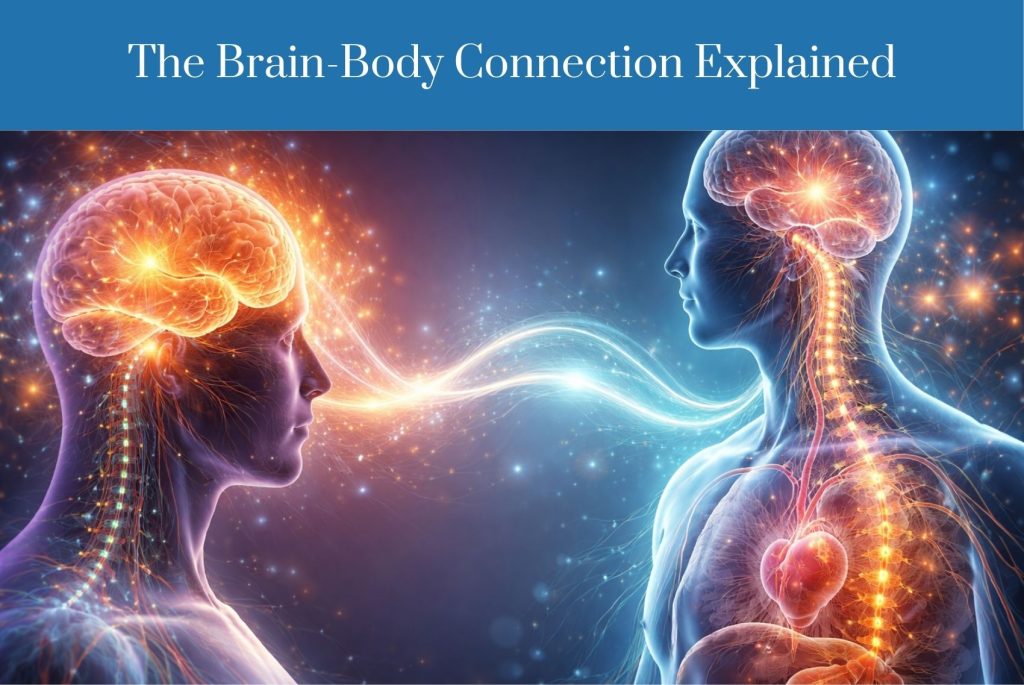
The human body is an intricate system where no part functions in isolation. One of the most fascinating and clinically important relationships in medicine is the brain-body connection—the constant two-way communication between the nervous system and the rest of the body. Understanding this connection can help patients better manage pain, stress, chronic conditions, and overall health.
Dr. Matthew Goldenberg D.O.’s care is rooted in recognizing how physical, neurological, and emotional factors work together to influence well-being. Osteopathic medicine emphasizes treating the whole person, not just symptoms, making the brain-body connection a central part of effective, lasting healthcare and wellness.
What Is the Brain-Body Connection?
The brain-body connection refers to how the brain, spinal cord, nerves, muscles, organs, and hormones continuously communicate. The brain sends signals that control movement, digestion, heart rate, immune response, and emotional regulation. At the same time, the body sends feedback to the brain about pain, tension, inflammation, and internal balance.
When this communication is healthy, the body can adapt, heal, and maintain balance. When it’s disrupted—due to stress, injury, poor posture, or chronic illness—symptoms may appear in unexpected ways.
How the Nervous System Influences Physical Health
The nervous system plays a key role in nearly every bodily function, including:
- Pain perception and regulation
- Muscle tension and movement patterns
- Digestion and gut health
- Immune system response
- Sleep quality
- Stress and emotional balance
Chronic stress or injury can keep the nervous system in a constant “fight-or-flight” state, leading to muscle tightness, inflammation, fatigue, headaches, and digestive issues. Osteopathic care focuses on restoring balance so the nervous system can return to a healthier, more regulated state.
The Role of Stress in the Brain-Body Relationship
Stress does not only affect the mind—it has very real physical consequences. Prolonged stress can contribute to:
- Chronic neck, back, and joint pain
- Tension headaches and migraines
- Digestive problems
- Weakened immune function
- Poor sleep and fatigue
By addressing both physical restrictions and nervous system stress, osteopathic treatment helps the body exit survival mode and move toward healing and resilience.
Why Osteopathic Medicine Emphasizes the Brain-Body Connection
Osteopathic physicians (D.O.s) are trained to understand how structure and function are interrelated. When the body’s structure—such as posture, joint alignment, or muscle balance—is compromised, it can interfere with nerve signaling and circulation.
Through hands-on evaluation and treatment, osteopathic medicine aims to:
- Improve communication between the brain and body
- Reduce physical strain on the nervous system
- Support the body’s natural ability to heal
This whole-person approach is especially beneficial for patients with chronic pain, stress-related conditions, and complex symptoms that don’t respond well to isolated treatments.
Brain-Body Connection Q&A
How does the brain affect chronic pain?
The brain processes pain signals, but stress, past injuries, and nervous system sensitivity can amplify those signals. Addressing both physical dysfunction and neurological stress can reduce pain intensity and frequency.
Can emotional stress cause physical symptoms?
Yes. Emotional stress can manifest as muscle tension, headaches, digestive issues, fatigue, and even immune dysfunction. The brain and body are deeply interconnected.
What conditions are influenced by the brain-body connection?
Common conditions include back and neck pain, headaches, TMJ disorders, digestive issues, anxiety-related symptoms, poor sleep, and chronic fatigue.
How does osteopathic treatment support nervous system health?
Osteopathic treatment helps relieve physical restrictions, improve circulation, and calm the nervous system—allowing the brain and body to communicate more effectively.
Is the brain-body connection backed by science?
Yes. Research in neuroscience, psychoneuroimmunology, and pain science consistently shows that mental, emotional, and physical health are inseparable.
Can improving posture help the brain-body connection?
Absolutely. Poor posture can strain muscles, joints, and nerves, interfering with healthy communication between the brain and body.
Who can benefit from a brain-body approach to care?
Anyone experiencing chronic pain, stress-related symptoms, recurring injuries, or unexplained discomfort can benefit from a whole-person, osteopathic approach.
Supporting a Healthy Brain-Body Connection
Patients can support this connection by:
- Managing stress through movement, breathing, and rest
- Maintaining good posture and mobility
- Getting quality sleep
- Seeking care that addresses both physical and neurological factors
A comprehensive medical approach helps ensure that treatment targets the root causes—not just the symptoms.
Dr. Goldenberg is licensed to work with patients in the states of California, Alaska, Hawaii and Utah by secure telehealth. He is NOT in-network with any insurance plans. However, Dr. Goldenberg is considered to be out of network if you have PPO insurance.
If you are interested in discussing becoming a new patient and if his practice is a good fit for your needs and goals, book a free screening phone call here.
Contact Information
Matthew Goldenberg D.O.
Santa Monica, CA 90403
Phone: (424) 276-0777
Book An Appointment
Website: https://docgoldenberg.com